Whether it starts after travel, a long day at the computer, or without an obvious trigger, neck stiffness can make even checking a blind spot uncomfortable.
What’s Happening Medically
Neck pain can arise from irritated joints, muscles, tendons, age-related changes, headaches, or sometimes compressed nerves. Sleep, workload, and stress may influence how sensitive the area feels. There is no single perfect posture that prevents all neck pain; movement variety and strengthening are often more useful than trying to hold one rigid position all day. Pain extending into the arm may require additional examination.
How TCM Interprets the Symptom Pattern
TCM practitioners assess whether the discomfort behaves like Qi and Blood stagnation, a Cold pattern aggravated by exposure, or a tension-related Liver Qi stagnation presentation. These labels describe a traditional way of grouping symptoms. They do not replace checking reflexes, arm strength, or the possibility of cervical nerve irritation.
How Acupuncture May Help
Acupuncture can be one part of managing persistent neck pain and stiffness. Needling near tender muscles and at selected distal points may influence pain signaling and ease discomfort for some patients. Treatment works alongside strengthening, movement changes, and attention to sleep and work habits.
How Your TCM Pattern Changes Your Treatment
Acupuncture often addresses the main symptoms, while the broader TCM pattern may change the selection of additional points and whether complementary therapies or Chinese herbs are considered. These are traditional treatment approaches rather than Western medical diagnoses.
Qi and Blood Stagnation — Localized Neck and Shoulder Pain
Treatment commonly begins with points around the neck, upper back, or shoulder muscles, then adds distal points according to the distribution of pain. The aim is to relieve guarding and support easier turning and movement.
Cold Pattern — Stiffness That Eases With Warmth
When cold aggravates the area, a TDP heat lamp or moxibustion may be used to provide comfortable warmth and ease muscular stiffness. The practitioner assesses the skin and sensation before selecting heat.
Liver Qi Stagnation — Tension Linked with Stress
When neck tightness builds with stress, jaw clenching, or irritability, treatment may also include calming or distal points. If other symptoms suggest a broader Liver Qi pattern, Chinese herbs may be discussed separately.
About warming therapies: Moxibustion uses warmth from burning dried mugwort near acupuncture points. A TDP lamp is a therapeutic heat lamp that warms a selected area without burning herbs. Both may temporarily ease muscular stiffness; the choice depends on symptoms, skin condition, and sensation.
The Role of Chinese Herbal Medicine
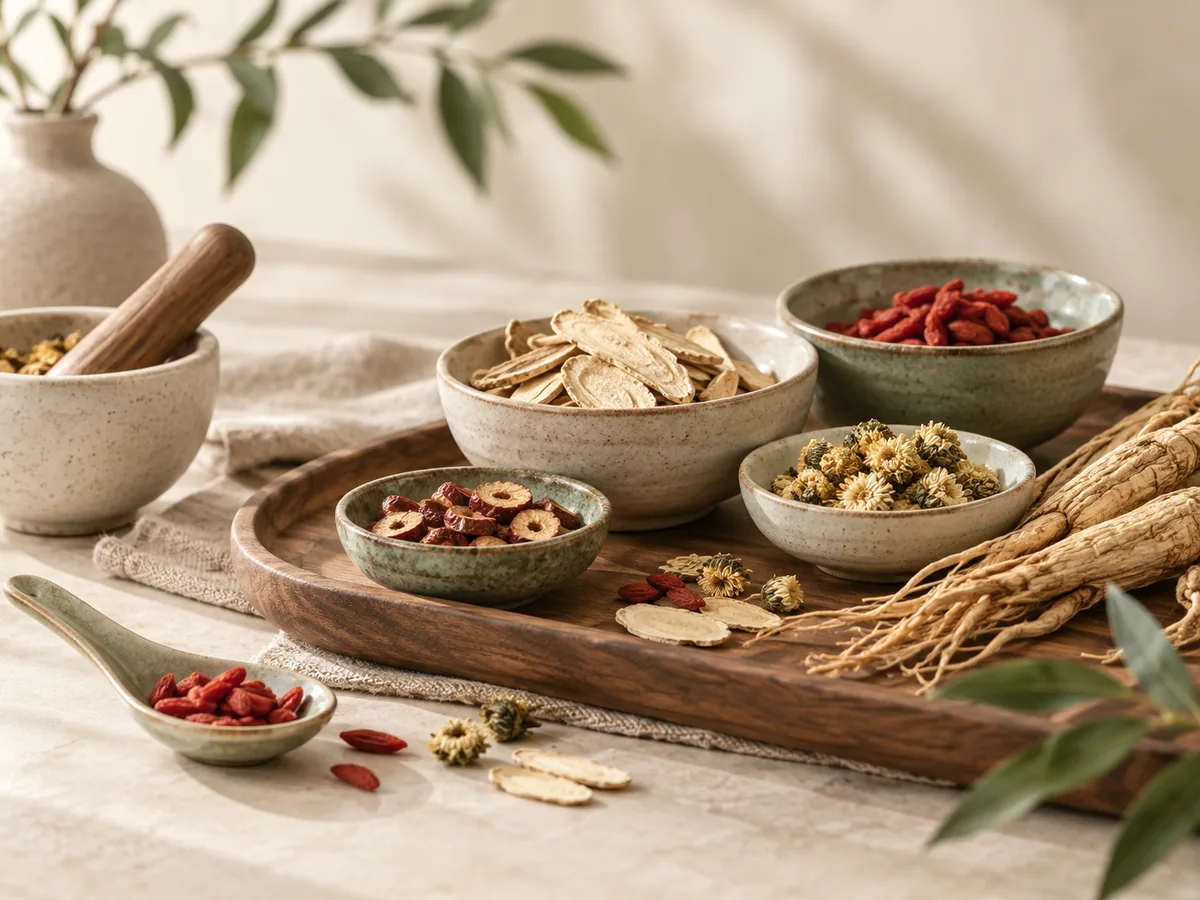
Acupuncture typically focuses on the presenting symptoms, while Chinese herbal formulas, when appropriate, are selected according to the broader TCM pattern, including sleep, digestion, fatigue, and other accompanying symptoms. Herbs are not necessary or suitable for everyone; medication, pregnancy, and cancer-treatment precautions take priority.
What to Expect at Alignment
At Alignment Acupuncture & Wellness, we tailor your acupuncture treatment to your symptoms, medical history, and individual response.
For musculoskeletal pain, acupuncture often focuses on the affected area, while the broader TCM pattern can guide additional points, warming methods, or an optional discussion of Chinese herbal medicine.
When suitable, we may recommend an individualized Chinese herbal formula to complement your acupuncture care. We can order formulas through our clinic. Purchasing Chinese herbal medicine through Alignment incurs an additional charge, which varies depending on the specific formula.
Before suggesting herbs, we review your medications, relevant medical conditions, and potential interactions.
After approximately 2–4 treatments, we can begin evaluating your progress and develop a clearer understanding of what continued treatment may realistically accomplish.
Acupuncture and Chinese herbal medicine, when appropriate, often work best alongside other indicated medical care and healthy daily habits. Results vary from person to person.
When to Seek Medical Care
Seek emergency care for neck pain after major trauma, fever with severe headache or neck stiffness, new weakness, trouble walking, or other sudden neurological symptoms. See your clinician for persistent arm numbness, increasing pain, or symptoms that interfere with daily function.
A Personalized Approach
Comfortable movement matters more than achieving a supposedly perfect posture.
Interested in learning whether acupuncture may be appropriate for your symptoms? Schedule a consultation with Alignment Acupuncture & Wellness.
Sources & Further Reading
Medical Disclaimer
The information provided in this article is for educational purposes only and is not intended as medical advice, diagnosis, or a substitute for professional medical care. Every patient’s condition is unique, and treatment recommendations should be based on an individualized evaluation. Always consult a qualified healthcare professional regarding your symptoms or medical concerns. Acupuncture and Chinese herbal medicine are complementary approaches and should not replace necessary medical treatment.